Resources

AboutContactStay
Maybe you want to continue working in your current role, but seek more support, better benefits, and flexible hours. Or maybe you want to work at the same company in a more part-time capacity. So many parents desire reduced work, but just don't think it's possible in their role or industry. Hear from others who did it, and find the resources you need to support your case.
Stories & tipsShift
Maybe you want to transition to a new role, or experiment with fractional, freelance or consulting work on your terms. The journey to self-employment can be very daunting, but it's entirely possible to build an emotionally and financially fulfilling career on your own. Learn how others have done it and how to get started.
Stories & tipsStep Away
Maybe you want to take a temporary or long-term break from work altogether. But how do you pause the career & not the potential? Maybe you need ways to stay up on your skills and return with confidence. Discover resources and hear from parents who have paused and returned and how they did it.
Stories & tipsFeeling Stuck?
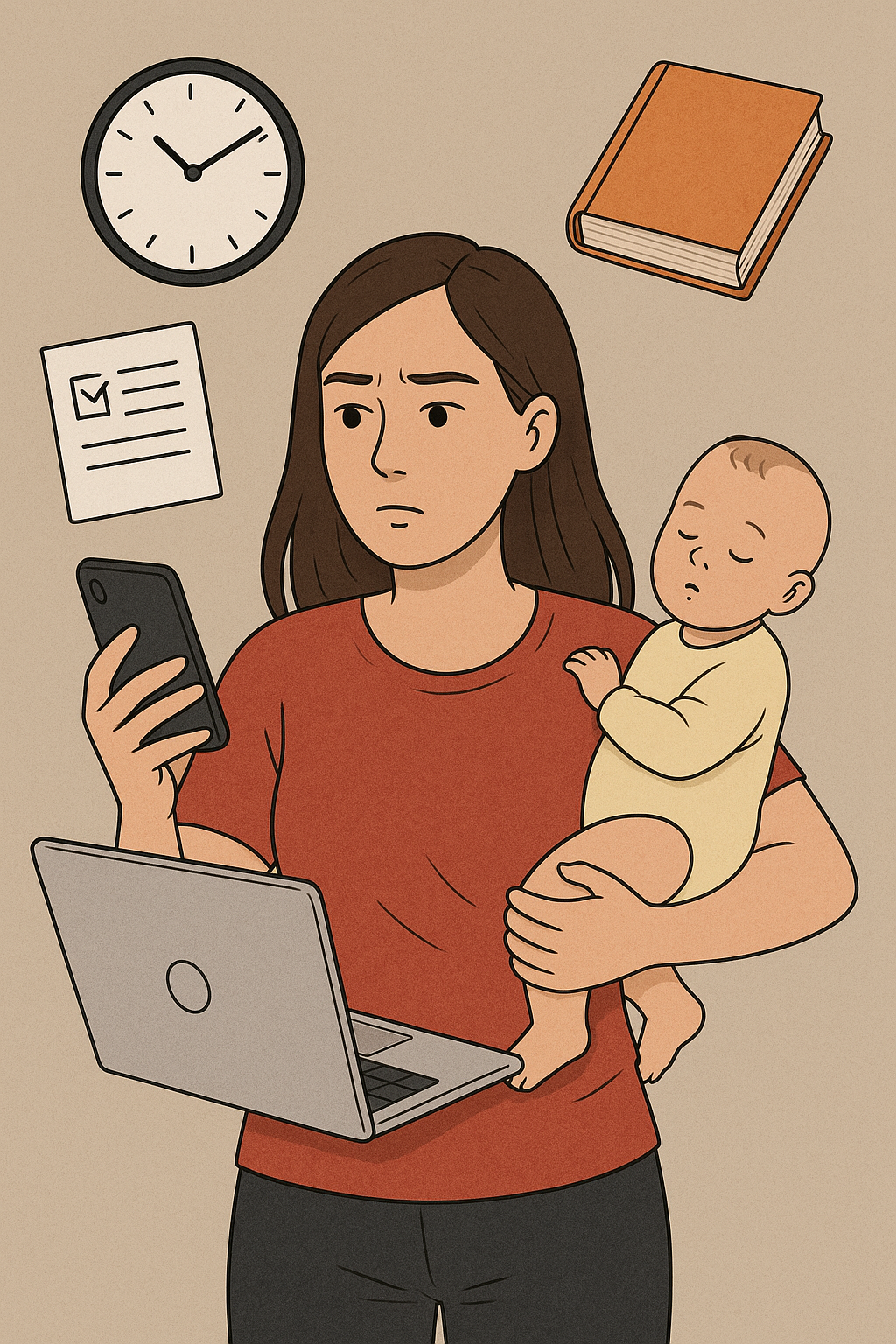
Not sure if you should stay or go? Feeling burned out but unsure how to take a step back? You’re not alone. We’ve been there. Our personalized support helps parents find clarity and take their next step.
Get clarificationNot sure if you should stay or go? Feeling burned out but unsure how to take a step back? You’re not alone. We’ve been there. Our personalized support helps parents find clarity and take their next step.
Resources
WORK WITH MEAboutPARTNERSEXPLORE BY PATH
Stay
Maybe you want more support, better benefits, and flexible hours in your current role—or dream of going part-time but think, no way my job could work like that. Guess what? It just might. Others have made it happen, and so can you.
Shift
Maybe you want to transition to a new role, or experiment with fractional, freelance or consulting work on your terms. See how others launched their own businesses or transitioned to self-employment.
Step Away
Maybe you want to take a temporary or long-term break from work altogether. But how do you pause the career & not the potential? Maybe you need ways to stay up on your skills and return with confidence.
Feeling Stuck?
Get clarificationNot sure if you should stay or go? Feeling burned out but unsure how to take a step back? You’re not alone. We’ve been there. Our personalized support helps parents find clarity and take their next step.
RESOURCE TYPE